QA Support
Early-stage life science organisations often sit in an awkward place: real regulatory and quality obligations, and no realistic way to resource a full-time quality lead. Most companies in that position choose between coping and overhiring, and both are expensive in different ways.
I work as an embedded part of your quality function instead. Not advising from outside, but sitting inside your governance, making decisions, signing what I'm able to sign, and being accountable for a view.
The arrangement is meant to get smaller as your team grows.

28 years in life sciences across three continents
Experience with USFDA, TGA and MHRA audits
What having me involved actually gives you
Quality and compliance expertise suited to your development stage.
Not a generic quality function, but one sized and shaped for where your product actually is.
Governance without permanent headcount.
The commercial argument, stated plainly.
Someone accountable rather than advisory.
There's a difference between a report and a person who owns a position and will defend it in a meeting.
An internal team that grows in capability.
If you have a QA person, they get someone experienced behind them rather than being left to work it out.
Support that scales up and down.
Need isn't constant. Neither should the arrangement be.
Continuity when people change.
Institutional memory that doesn't resign.
Why sponsors struggle with this
Life science startups in the early stages of development often struggle to implement a quality system that suits where they are. They either have nothing, or they have one designed for a large manufacturing organisation.
The challenge is finding the balance. The system has to enable flexibility, effective collaboration, efficient technology transfer and decent knowledge management, all at once, with a small team.
That's where external QA support earns its place. It isn't about hiring a full-time QA person. It's about getting the right expertise — someone who understands the specific challenges of early-stage biotech, the compliance requirements that apply at your stage rather than at commercial scale, and how to design processes that are fit for purpose.

You might recognise these
Quality decisions escalating to people without a QA background
Nobody owning management review
Your QA person having no one to ask
Compliance depending on one individual
Decisions waiting weeks for a view
Governance that exists on paper and nowhere else
When companies reach for this
Real obligations, no QA function.
Common in early-stage companies, and usually recognised later than it should be.
The QA lead has left.
The most urgent version, and the one with no internal answer. Recruitment takes months and your obligations don't pause.
Growing faster than the quality team.
The system is fine. The capacity isn't.
An investor or partner is asking questions.
Due diligence, or a partner requiring evidence of quality governance before they'll commit.


How engagements work
Project or milestone based. Scoped to a phase. A clinical milestone, a facility, a partner requirement. Defined start and end.
Hourly or ad hoc. Called on when a decision needs experienced judgement. In practice this and project-based are what have worked best.
Mentoring your internal QA person. They do the work, with someone experienced behind them. Different from structured training, and usually more useful at this stage.
I don't do open-ended retainers. Most companies at this stage aren't ready for that commitment, and I'd rather the arrangement fit what you actually need this quarter.
What I cover
Reviewing and approving quality documentation and agreements. Within what I'm able to approve, which is set out below.
Oversight of outsourced activities. Making sure your partners meet the requirements you're responsible for.
Representing you with your outsourcing partners. Acting as your quality representative in meetings with your CMO, CDMO or service providers, which is often where smaller companies are most exposed.
Mentoring and coaching your internal QA team.
What I can and can't sign
Worth being specific about, because people assume either more or less than is actually true.
I can sign:
Quality technical agreements
Master manufacturing batch records
Batch release, dependent on clinical trial phase and regulatory market. In Australia this is limited to Phase 1 clinical trial batches.
Internal SOPs and quality documents, including creating and approving them
I can't sign:
As Authorised Person for batch release for Phase 2 clinical trials in Australia
As Qualified Person for the European market
If you need someone who can do either of those, let me know during our first call. I'm happy to provide references and help facilitate that conversation.
What you receive
Review of all your quality and GxP documents.
Not a sample. The set.
Attendance as your quality representative in meetings with contractors, partners and service providers.
Contractor and service provider audit reports, with recommendations.
An internal documentation system for decision tracking and knowledge management.
So the reasoning behind a decision survives the person who made it.
Coaching and mentoring for your internal QA team.
Where this connects
How I approach the work.
If the system itself needs building or fixing.
That's a project rather than oversight.
If your team needs structured capability rather than one person mentored.

How you'd know it worked
A consistent data and document management system. One way of doing it, rather than several.
Historical data and decisions that can be tracked. Including the reasoning behind them.
Better collaboration with your contractors. Fewer surprises, clearer expectations on both sides.
Quality issues reviewed and resolved in reasonable time. Rather than waiting for someone with the authority to look at them.
What clients say.
“Antiksha has been a trusted quality advisor to the Infensa Bioscience team for several years. Her depth of GMP knowledge, practical approach and sound judgement have been invaluable in helping us navigate the quality requirements associated with clinical development. She is responsive, pragmatic and always takes the time to understand the context before providing advice. We have greatly valued her support and expertise.”
Ming Chong, Head of CMC & Project Management, Infensa Bioscience
How an arrangement starts
1. A conversation.
Thirty minutes on the business, your obligations and what's currently uncovered. You'll get a view on whether oversight is right or whether you actually need a project.
How an arrangement starts
2. Scope and cadence.
What's covered, how often, and what isn't. A defined arrangement rather than an open commitment.
How an arrangement starts
3. Getting embedded.
Understanding your systems, your people and where the decisions get made. You end up with someone who knows your business rather than your sector.
How an arrangement starts
4. Ongoing.
The work above, at the agreed cadence. What I need from you is to be in the decisions that matter, not brought in afterwards.
How an arrangement starts
5. Review and adjust.
Revisiting scope as things change. The arrangement should flex, including downwards.
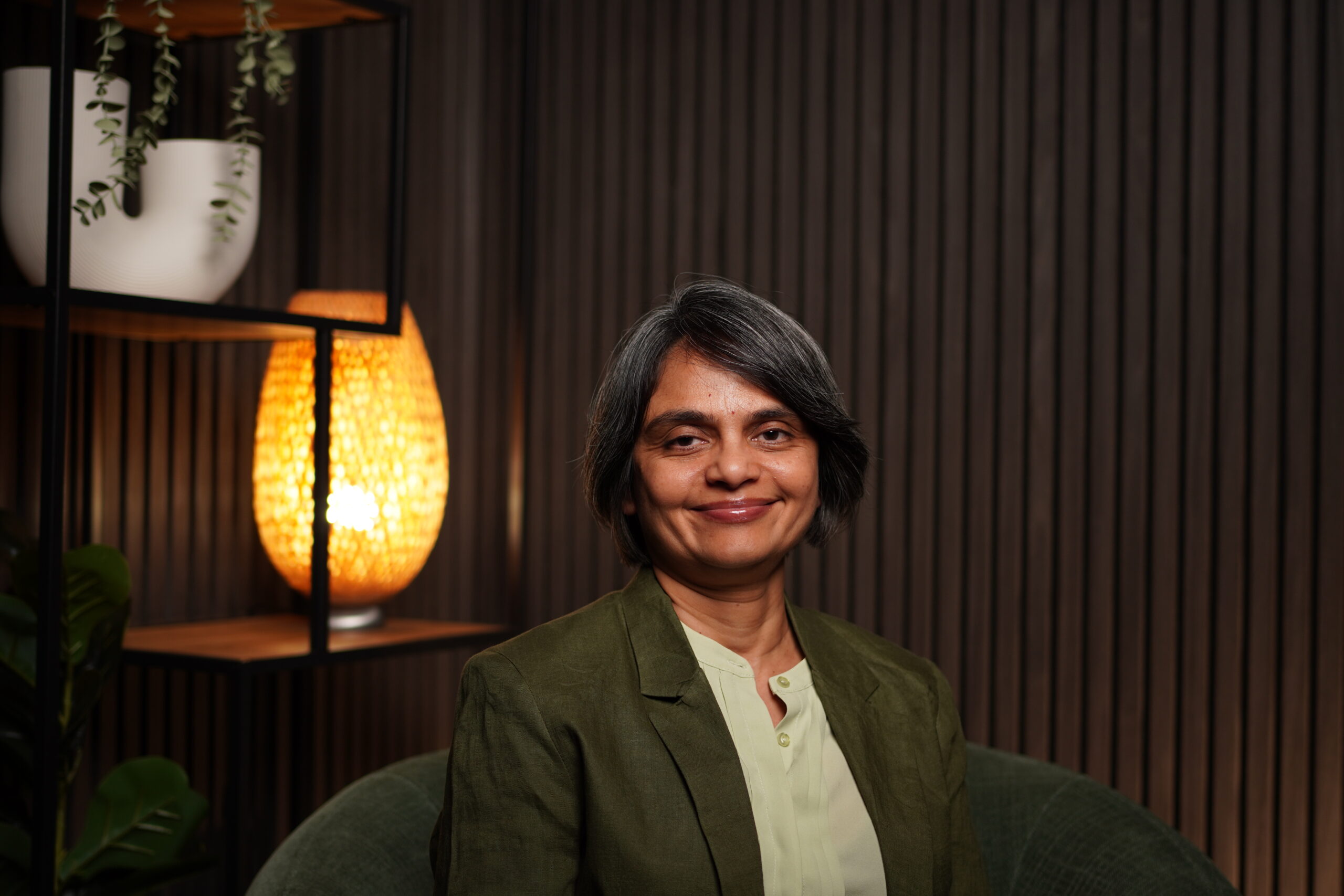
Who you'd be dealing with
I'm Antiksha Joshi. I've spent 28 years in pharmaceutical and life sciences quality across three continents. I am Chair of Women in Pharma, ISPE Australasia Affiliate.
I also write and speak on quality systems for various knowledge sharing organisations and online publications.
I've held quality leadership roles rather than only advised on them, which matters for this work. Advising is easier than owning a decision, and companies can tell the difference.
Questions people ask
Can you act as our QA manager?
In practice, for a lot of what that role does, yes. There are specific things I can't sign, and they're listed above so you can check before we talk rather than after.
What can you formally approve?
Quality technical agreements, master manufacturing batch records, batch release for Phase 1 clinical trial batches in Australia, and internal SOPs and quality documents. Not Authorised Person release for Phase 2 trials in Australia, and not QP release for Europe.
Is this suitable for a startup?
It's often the most sensible option for one. You get quality and compliance expertise suited to your development stage, without a salary you can't yet justify.
How flexible is it?
Project-based or hourly. No open-ended retainer, because most companies at this stage aren't ready for one.
Can you mentor our internal QA person?
Yes, and it's often the best value in the arrangement. One person with someone experienced behind them can cover a lot.
Will you represent us with our CMO or CDMO?
Yes. Attending those meetings as your quality representative is part of the work, and it's often where smaller companies are most exposed.
How much time is typical?
It varies with what's happening. I'd rather scope it honestly on a call than quote you an average that fits nobody.